A little preparation goes a long way in protecting your pipes.
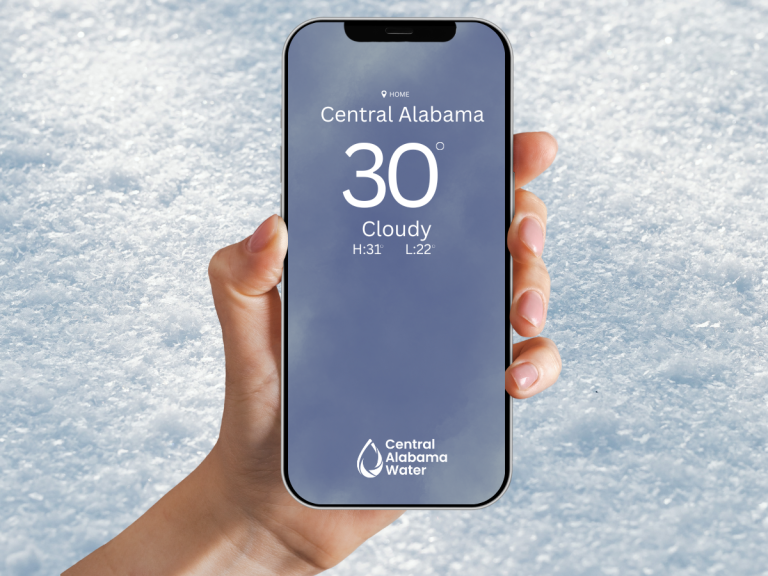
Central Alabama is in the middle of winter. A quick cold snap can catch families off guard. When temperatures drop, frozen pipes can quickly turn into a big problem.
When water freezes, it expands and can create enough pressure to burst pipes. This can lead to flooded floors, ruined belongings and expensive repairs. Winter weather may be unpredictable, but keeping your plumbing safe is easy.
Every winter, we get calls from customers saying they have no water. Often, water is still running through our system. The real culprit? Frozen pipes inside the home. While we can help when the problem is on our side of the meter, keeping your pipes safe is up to you.
Here are a few simple ways to think about it: Bundle, Block, Seal, Flow and Stop.
- Bundle: Wrap exposed pipes in garages, attics, crawl spaces and along exterior walls. Pipe insulation, foam sleeves or even towels are cheap and easy to use. A few minutes now can prevent big headaches later.
- Block: Stop cold drafts from reaching your pipes. Cover crawl space vents, open cabinet doors under sinks on exterior walls to let warm air circulate and keep garage doors closed.
- Seal: Disconnect garden hoses and turn off and cover outdoor faucets. Even a quick step like this keeps your pipes from freezing and saves you from costly repairs.
- Flow: Keep water moving when temperatures drop. Let a faucet drip slowly. Just a tiny stream uses about 9.5 gallons over 10 hours, costing roughly three to 11 cents for Central Alabama Water customers depending on your rate tier. (This estimate covers water service only and does not include possible sewer charges.) This small cost can help prevent frozen pipes and keep bigger, more expensive surprises from popping up later.
- Stop: Know where your main water shutoff valve is. If a pipe bursts, turning off the water quickly can save major damage. The shutoff valve is usually located in the crawlspace, basement, or utility room.
Winter weather can be unpredictable, but a little preparation goes a long way. If you follow these simple steps, your home, pipes and peace of mind will stay protected all winter long.